Opportunity
Turning existing technology into a new product
We already had the technology to turn influencer followers into targetable audiences.
The missing piece: a focused influencer marketing workflow.
Product Decision
From a feature to a standalone product
Customer interviews showed that influencer marketing attracted a different customer segment from our existing paid advertising product.
So we separated it into its own product.
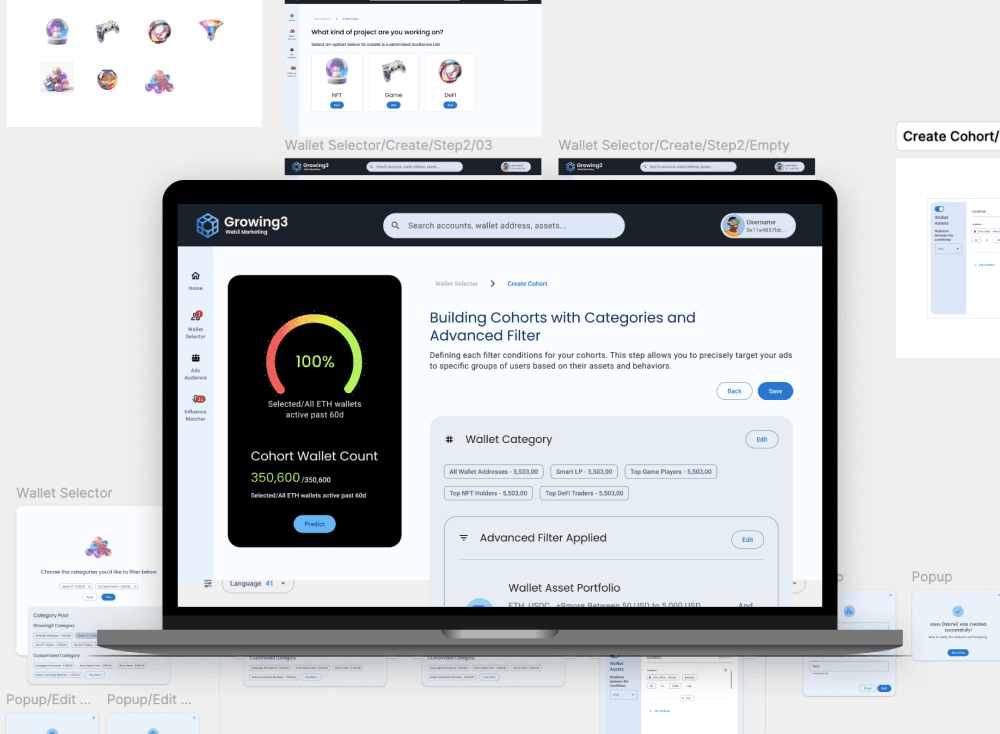
Existing platform: Paid Ads + Audience Building + Influencer Marketing
Standalone product: Influencer Discovery + Audience Insights + Campaigns
MVP
Password protected — reach out for access. Explore the product
1 month from product direction to high-fidelity
The previous MVP took 6 months.
This time, I leveraged our existing design system to focus on the new product experience.
Core UX
From influencer discovery to campaign
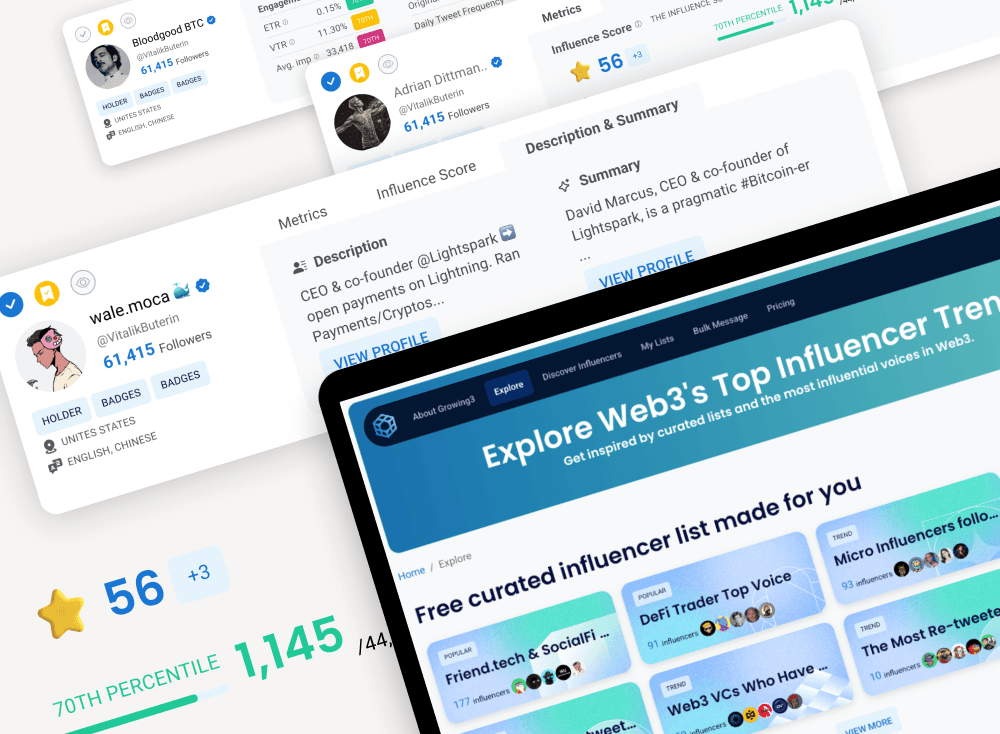
Designed the core workflow around three steps:
Discover → Evaluate → Activate
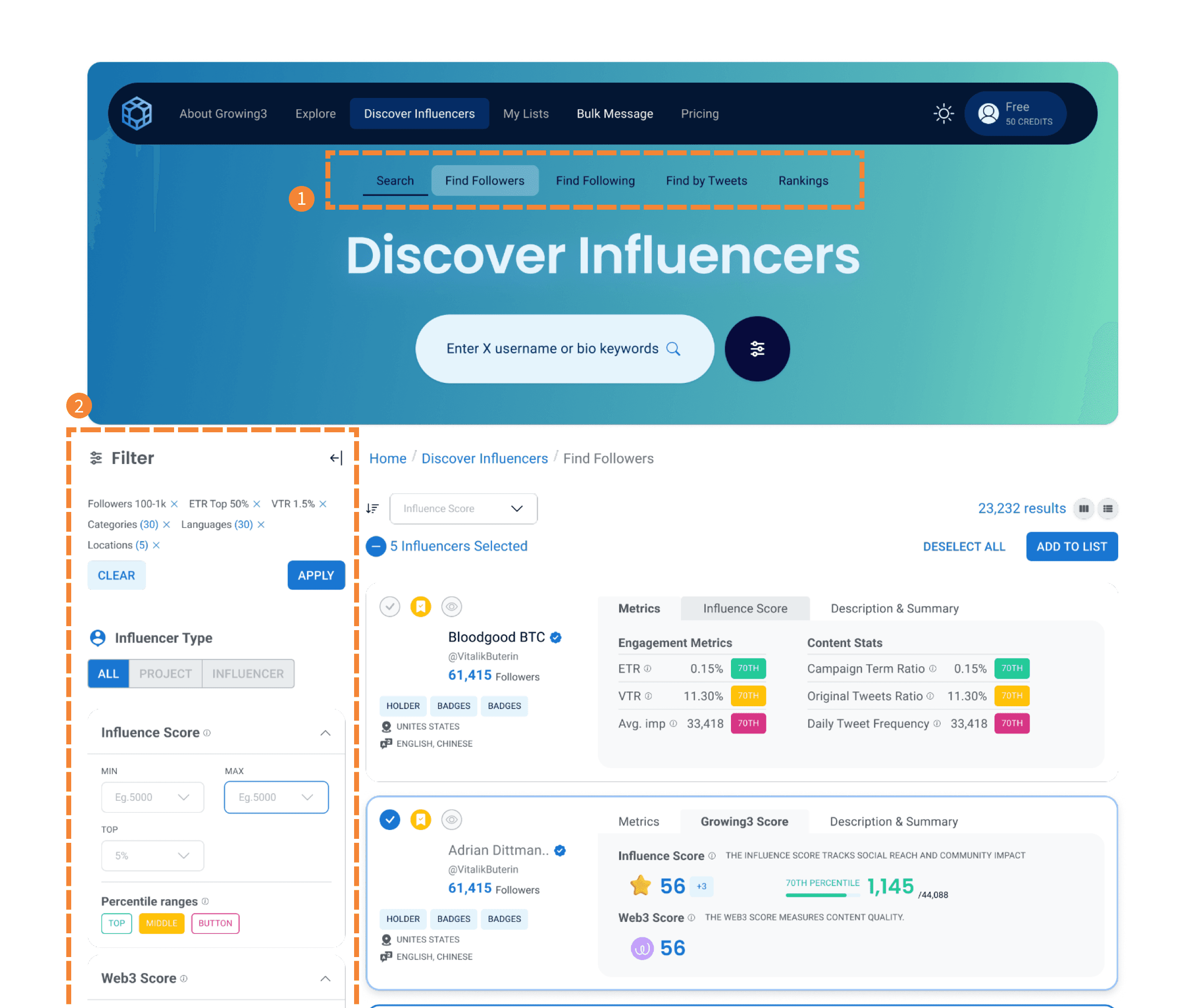
Discover
Find relevant influencers.
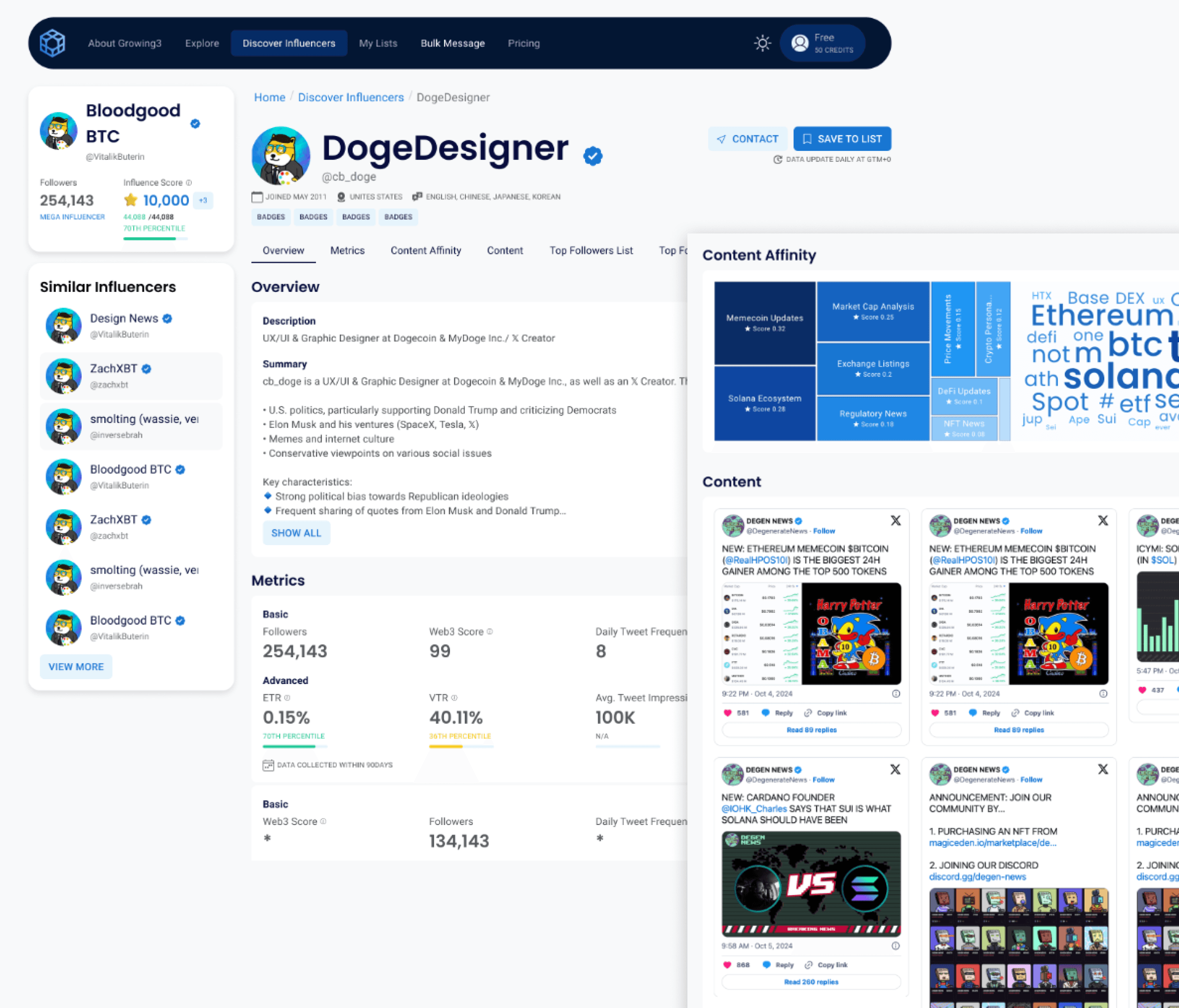
Evaluate
Understand their audience and campaign potential.
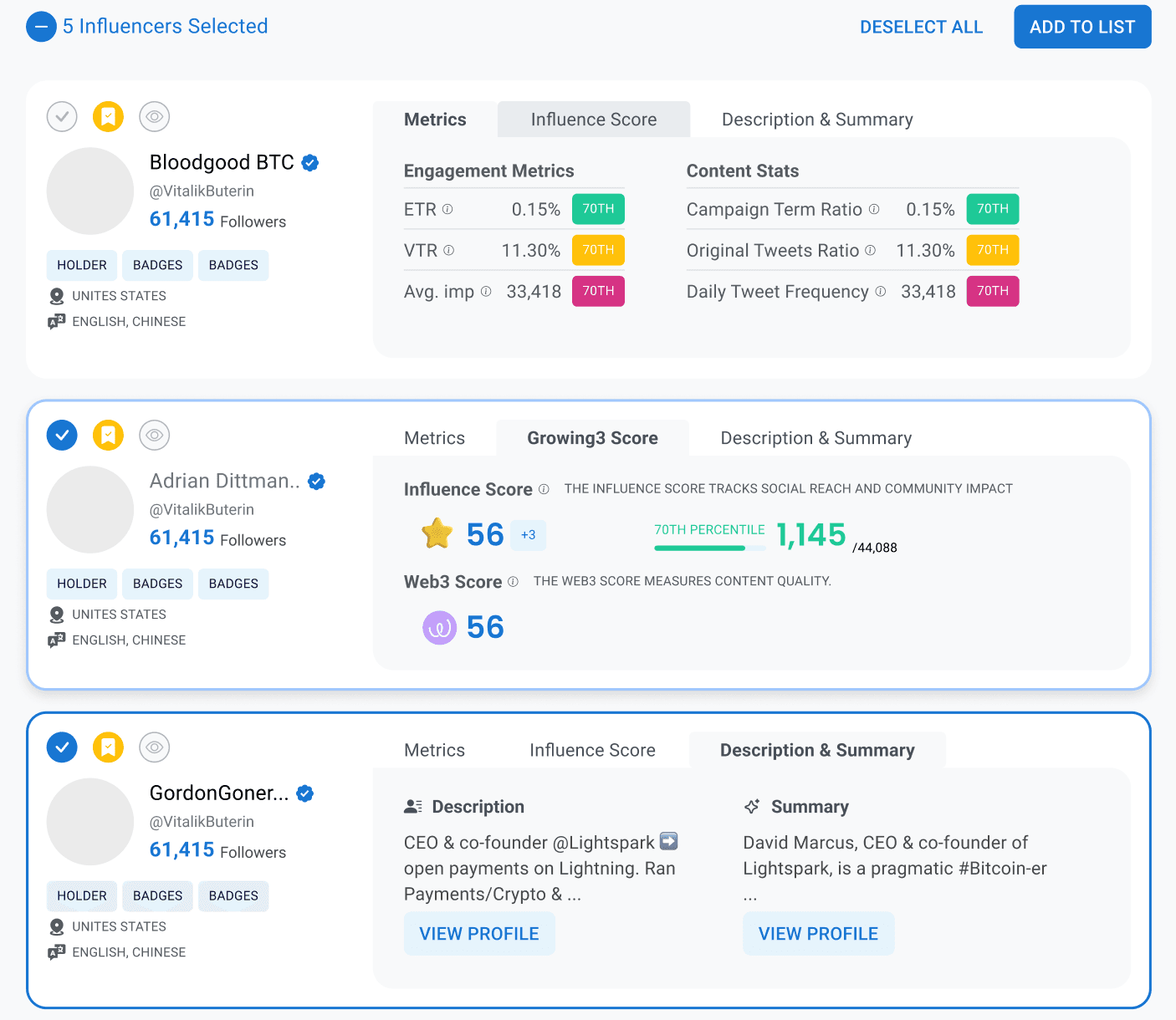
Activate
Turn their audience into a targetable campaign.
Browser Extension
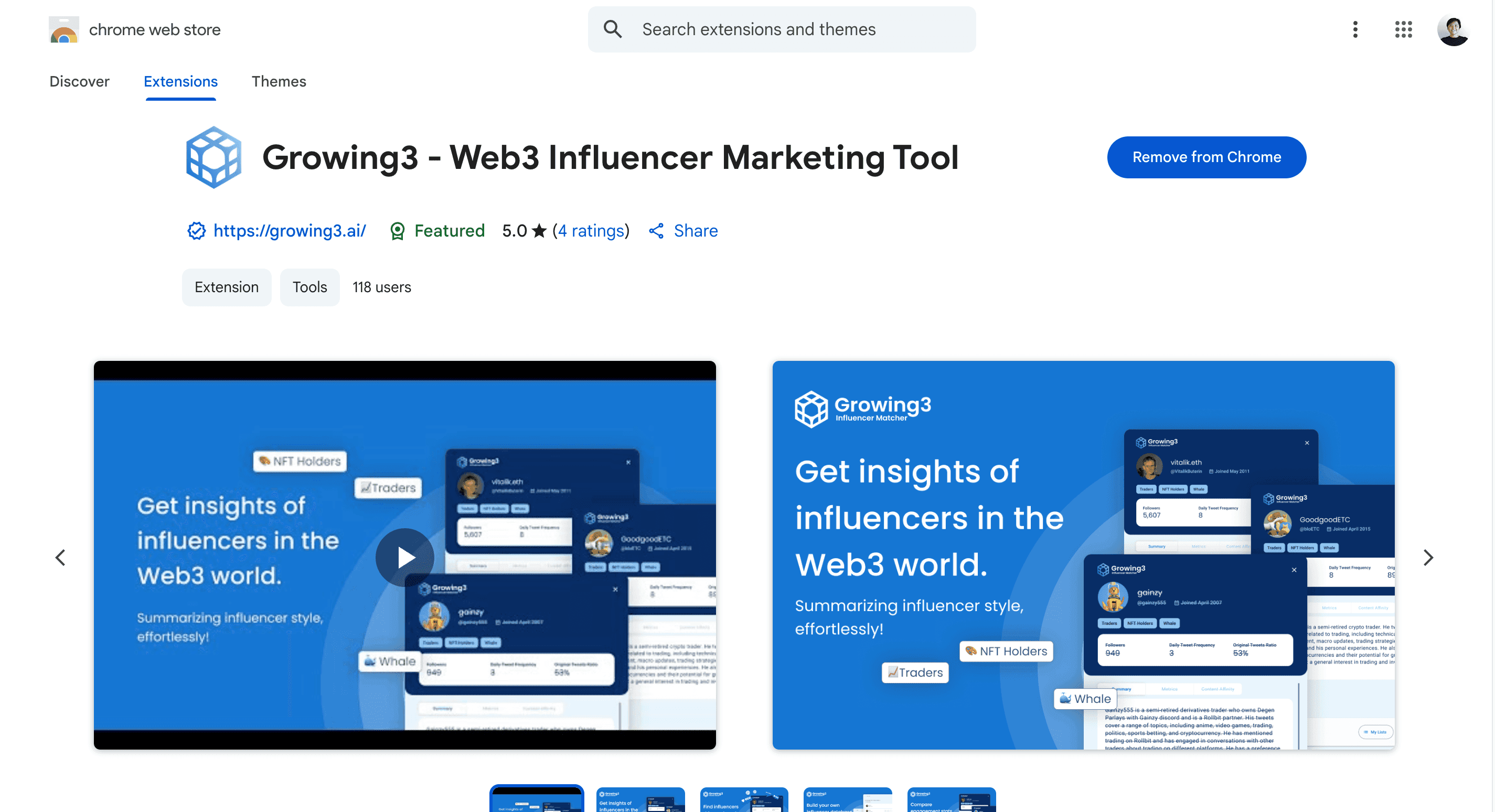
Bringing the workflow into the browser
Instead of making users switch between platforms, I brought influencer discovery into their existing workflow.
Self-serve
Designing the product to sell itself
Without Sales guiding every customer, the product had to communicate its value on its own.
Pricing → Credits → First value → Upgrade
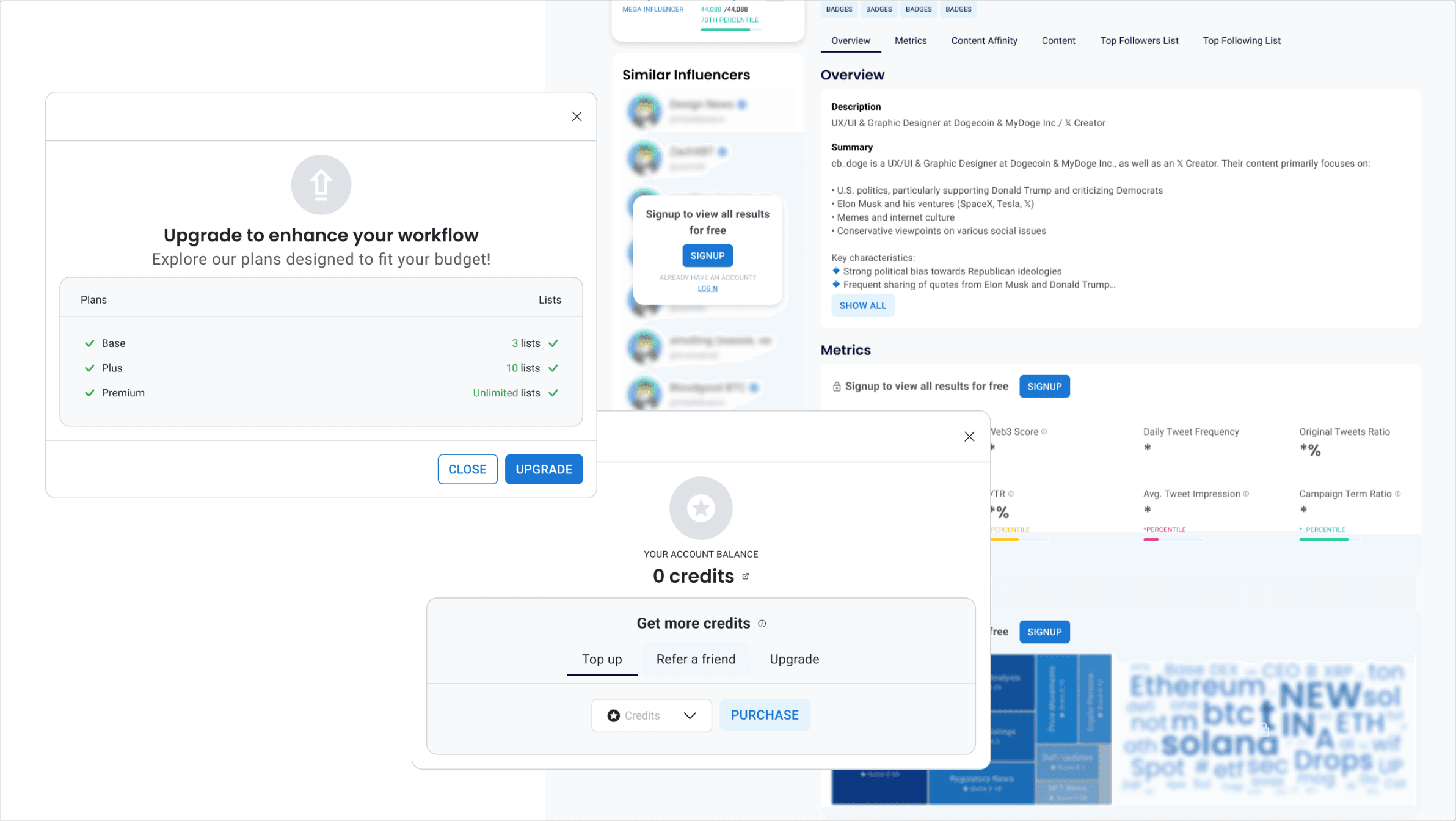
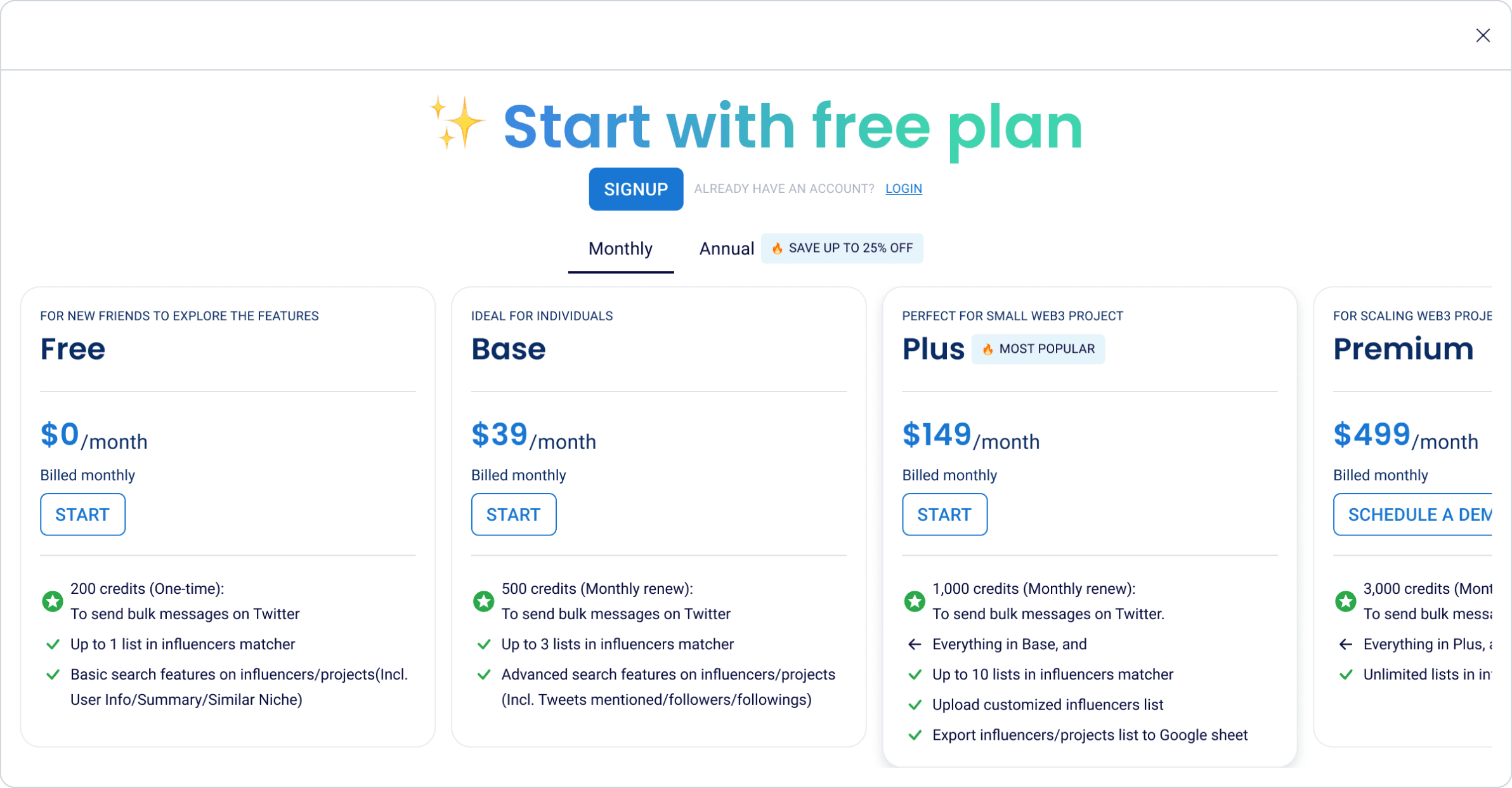
Onboarding
The first experience was designed around getting users to a real result, not just explaining the product.
Outcome
A new standalone SaaS product
New customer segment
Clients across GameFi, NFT, DeFi, and crypto exchanges.
Self-serve product
Customers could discover, onboard, and use the product independently.
Faster product delivery
1 month to high-fidelity, compared with 6 months for the previous MVP.
What I learned
Product design can shape the business model.
Pricing, onboarding, and UX were all part of making the product commercially viable.
Design systems create leverage.
A strong foundation let me spend more time solving new product problems instead of rebuilding UI.